These are drives, ideals, impulses and ideas inherent in life at large and are essential dichotomies in the dialectics of creativity. It is their counterposition and the conflict that arises from their constant interaction that lights up the spark of inspiration. Pleasure and beauty, as much as discomfort and decadence, are feelings and conditions that give shape to the human experience. Whether there’s an act of violence in the conception of art or an artistic drive that feeds from violence, it is impossible to deny their connection, specially in our current times where natural violence in the form of a deadly virus has spurred the need for an assuasive artistic outlet.
Aware of the importance of such topics and the value and usefulness of music in tackling them, the 2Act Foundation organised a composition competition for piano trio (violin, cello, piano) towards the end of last year. The winners have been selected from an international pool of submissions and their music will be performed on April 16, 2021 at Villa Decius by the Contemporary Ensemble Spółdzielnia Muzyczna.
Kraków Music had the pleasure of interviewing the laureates Tomasz Szczepanik (Poland) and Valentin Schaff (Germany), in Polish and in English respectively. We look forward to listening to their compositions and kindly invite you all to tune in for the online transmission of the event. In the meantime, we encourage you to read about the composers, their music, opinions and ideas.
[/nk_text]
[/nk_text]



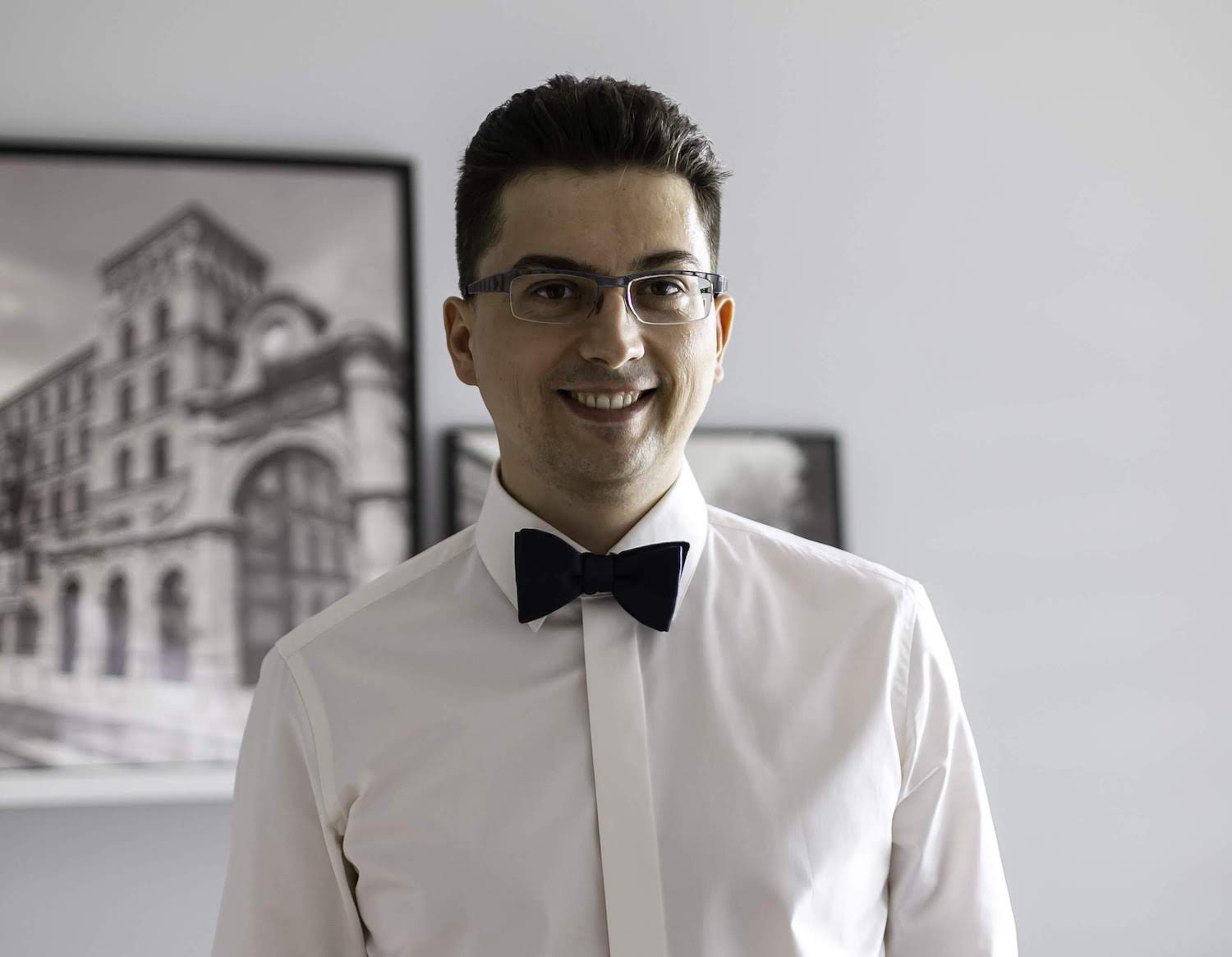
1st Prize. Gaslighting.
[/nk_text]
Jedną z najgroźniejszych i najokrutniejszych, a zarazem najczęstszych i najbardziej wyrafinowanych form przemocy psychiczno-emocjonalnej jest gaslighting. Nie ma w niej bicia czy fizycznego znęcania się nad drugą osobą, nie ma też przemocy finansowej. Jest za to sprawne i długotrwałe manipulowanie psychiką ofiary, którego celem jest doprowadzenie pokrzywdzonego do utraty pewności siebie oraz utraty poczucia własnej wartości. Ofiary gaslightingu czują się zdezorientowane, niespokojne, bezradne, nierozumiane i zaczynają wątpić we własną percepcję rzeczywistości.
[/nk_block_quote]
One of the most dangerous and cruel, and at the same time the most common and sophisticated forms of psycho-emotional violence is gaslighting. There is no hitting or physical abuse, and no financial violence. Instead, it is efficient and long-lasting manipulation of the victim’s psyche, the aim of which is to lead the victim to loss of self-confidence and loss of self-esteem. Gaslighting victims feel confused, anxious, helpless, misunderstood and begin to doubt their own perception of reality.
[/nk_block_quote]
Poszukując oryginalnej inspiracji spełniających kryteria regulaminu konkursu uznałem, że warto (choćby poprzez muzykę) przybliżyć społeczeństwu problem przemocy psychicznej. Ostatnimi czasy w Internecie pojawiło się wiele artykułów opisujących zagadnienie. Ponadto sytuacja epidemiczna i ogólna izolacja społeczeństwa może wpływać na obniżanie własnej wartości i mimowolne poddawanie się manipulacji. Dlatego uznałem, że dla ówczesnego społeczeństwa jest to ważne zagadnienie.[/nk_text]
Niechciał bym, aby mój utwór miał w jakikolwiek sposób służyć manipulacji.[/nk_text]
Początkowo złożyłem dokumenty na wydział instrumentalny – organy, ale z powodu braku miejsc, dostałem się na wydział pedagogiczny. Studia w tej jednostce z jednej strony umożliwiły mi pogłębienie wiedzy ogólnomuzycznej, z drugiej zaś dawały sposobność zapoznania się z dyrygowaniem i śpiewem chóralnym. Dlatego podczas pierwszych studiów zaangażowałem się w liczne projekty artystyczne (śpiewałem m.in. w Chórze Akademii Muzycznej, w Chórze Con vigore prowadzonym przez prof. A. Ryłko, w Chórze Politechniki Łódzkiej czy Łódzkim Chórze Kameralnym prowadzonym przez prof. J. Rachubińskiego). Wtedy też rozpocząłem pracę dyrygenta chóru amatorskiego, którą kontynuowałem przez kolejne 14 lat.
Następnie podjąłem w Akademii Muzycznej w Łodzi studia na kierunkach: kompozycja (w klasie prof. S. Kaczorowskiego) i teoria muzyki oraz ukończyłem Podyplomowe Studia Muzyki Filmowej, Komputerowej i Twórczości Audiowizualnej.[/nk_text]
[/nk_text]
W okresie studiów – poszukiwań i krystalizacji własnego języka dźwiękowego, inspiracją, czy wzorem była dla mnie (jak dla wielu młodych kompozytorów) twórczość Krzysztofa Pendereckiego oraz Witolda Lutosławskiego. Wnikliwa analiza kompozycji tych mistrzów z pewnością poszerzyła mój własny język dźwiękowy. Pod koniec studiów zainteresowałem się muzyką elektroniczną. Wtedy powstał m.in. utwór Vision of an imaginary landscape na obój i warstwę elektroniczną, który był wynikiem analizy twórczości Witolda Szalonka i Bruno Bartolozzi’ego (niekonwencjonalne sposoby wydobycia dźwięku). Podczas studiów zainteresowała mnie ponadto twórczość mistrzów muzyki współczesnej, a mianowicie Stockhausena, Lachenmanna, Ligetiego czy Bouleza. Obecnie moje poszukiwania skierowane są na niekonwencjonalne sposoby wydobycia dźwięku, a inspiratorami czy raczej nurtem, którym mnie najbardziej ciekawi jest spektralizm (m.in. twórczość Anny-Marii Avram, Iancu’a Dumitrescu czy Pierluigi Billone).[/nk_text]
Dźwięki w moich kompozycjach mają odzwierciedlać to, co wymyka się możliwości opisania słowem, gdyż zaczynają się one dla mnie tam, gdzie kończy się słowo
[/nk_block_quote][nk_text]
Cantate Domino
[/nk_text][nk_block_quote icon_color=”#03316b”]
The sounds in my compositions are to reflect what eludes the possibility of describing with words, because for me, they begin where the words end…
[/nk_block_quote]
Dla mnie kompozycja musi wyrażać wartości głębsze, nie lubię, nie umiem, pisać utworów o „niczym”. Kompozycja musi wzbudzać w słuchaczu określone emocje, wyobrażenie, musi „przenieść” odbiorcę w zasugerowane przez tytuł miejsce czy zdarzenie.
[/nk_block_quote]
For me, a composition must express deeper values. I don’t like or know how to write songs about nothing. The composition must evoke specific emotions and ideas in the listener, it must transport the recipient to the place or event suggested by the title.
[/nk_block_quote]
Aktualnie piszę utwór przeznaczony na chór mieszany.[/nk_text]
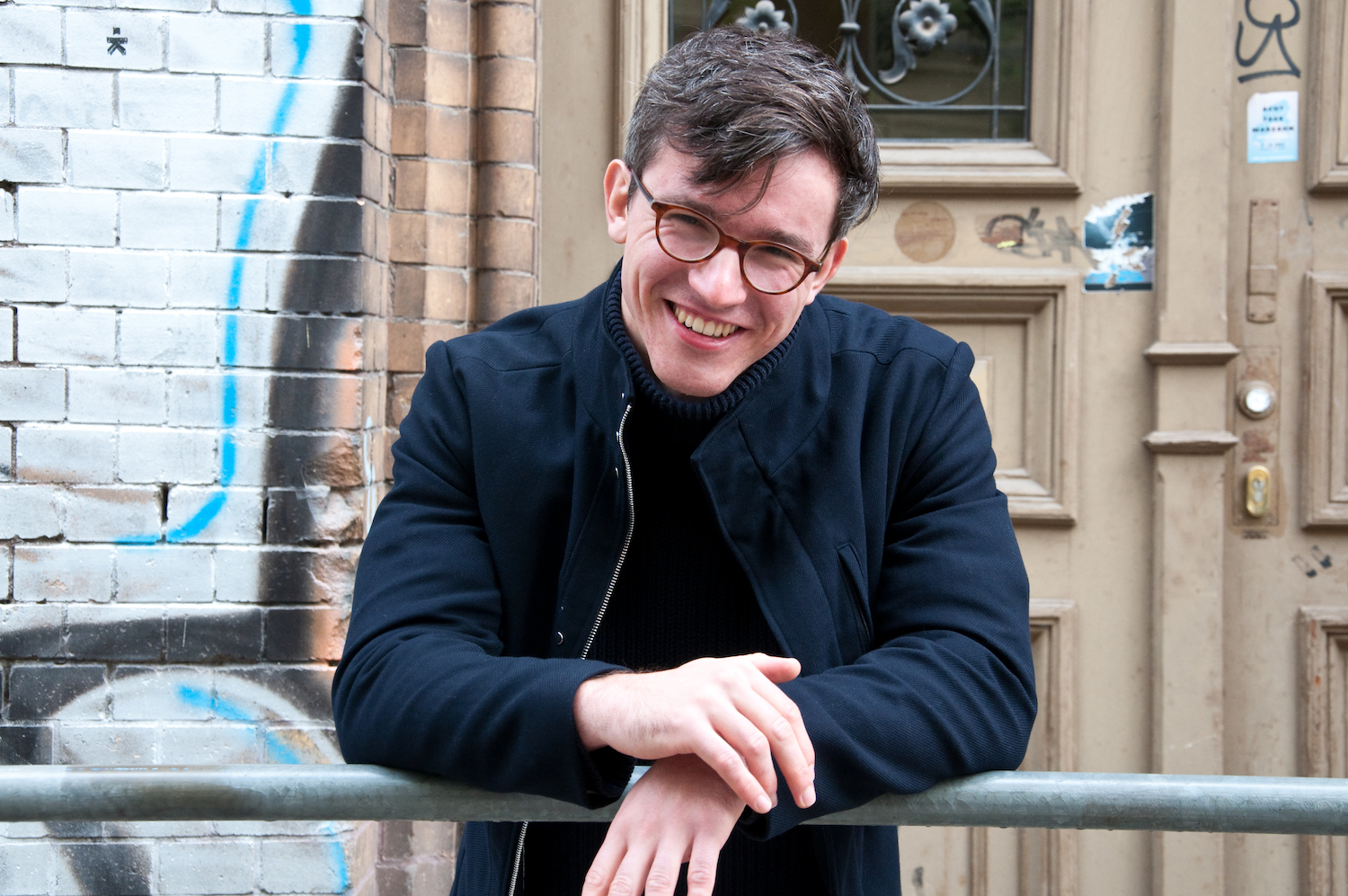
2nd Prize. Angst.
[/nk_text][nk_block_quote icon_color=”#ffffff” text_color=”#ffffff”]
With all musical life on hold for what seemed like an indefnite amount of time, the outline of my professional path that I had projected into the future became very uncertain. Being a composer, I kept writing, not knowing when anything would be performed again. The piece is called Angst, which translates to fear, and it shows the context in which it was written, the personal anxiety of sudden isolation and the bleakness of what sometimes felt like living in a failing society.
[/nk_block_quote]
I am very grateful for everybody trying to come up with new formats at this time. For me personally it has been complicated, since my musical interests in the recent years have become increasingly and explicitly interpersonal.
For me, the performance situation and the relationship between performer and audience is an essential part of music. The classical concert situation is far from the only way to look at this, but even the best digital formats do not create an equal amount of intensity. In my music, a recording or stream will most likely always be compromises, not the actual situation I had in mind while composing. For other creators, this might not be the case, but I see the magic of music in the social and physical experience, and both of these aspects take on very different forms in a digital setting, forms that require a totally different aesthetic toolset. Simply translating pieces into this environment that were not conceived with it in mind. But other, non-digital formats are also being reworked. I personally am especially interested in formats with limited audiences, concerts for only one audience member for example, since they might allow for much greater intimacy.
[/nk_text]
…I think violence is a deeply complex human experience that can only really be explored in all its aspects within art. To open the space to discuss violence in an artistic setting is challenging and dangerous, since it is tempting to filter the discussion through the lens of a political position. In my opinion, this would be a disservice to the artistic process…
[/nk_block_quote]
“Wach“ by Valentin Schaff performed by the Arditti Quartet
https://www.youtube.com/watch?v=MpBoCjfnoDM[/nk_text]
Music is highly dependent on the context it is perceived in and I think the academic tradition of composition has dug its hole a little too deep into the classically staged concert setting. For me, the dance floor provides some kind of counterargument, since it is treating the listener as more of an active participant through a perceptual context that is more physical than rational.
[/nk_block_quote]
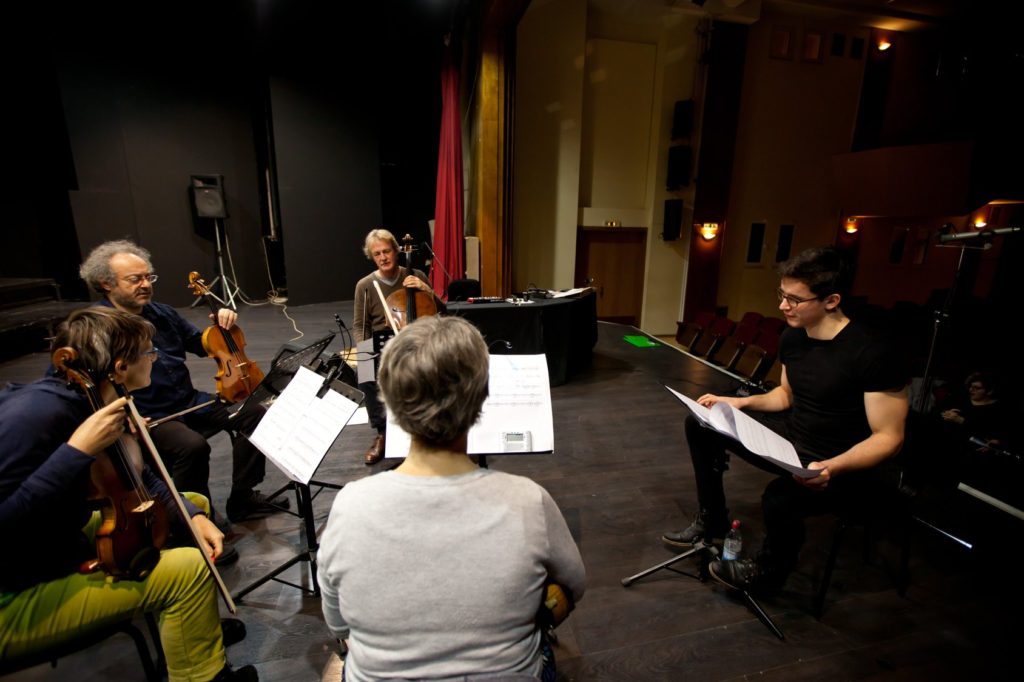
Maybe technique could be defined as the ability to authentically transmit any kind of feeling, feeling being the much looser term in this context. I would translate this to Why (feeling) and How (technique), which in my mind is definitely not as much of a dichotomy as one might think. From my perspective, form and content are indivisible.
[/nk_block_quote]
https://www.youtube.com/watch?v=VkJWEqu93vk[/nk_text][nk_text]
DJ Koze
https://www.youtube.com/watch?v=JE63vMzb3UE[/nk_text]